- All
- Product Name
- Product Keyword
- Product Model
- Product Summary
- Product Description
- Multi Field Search

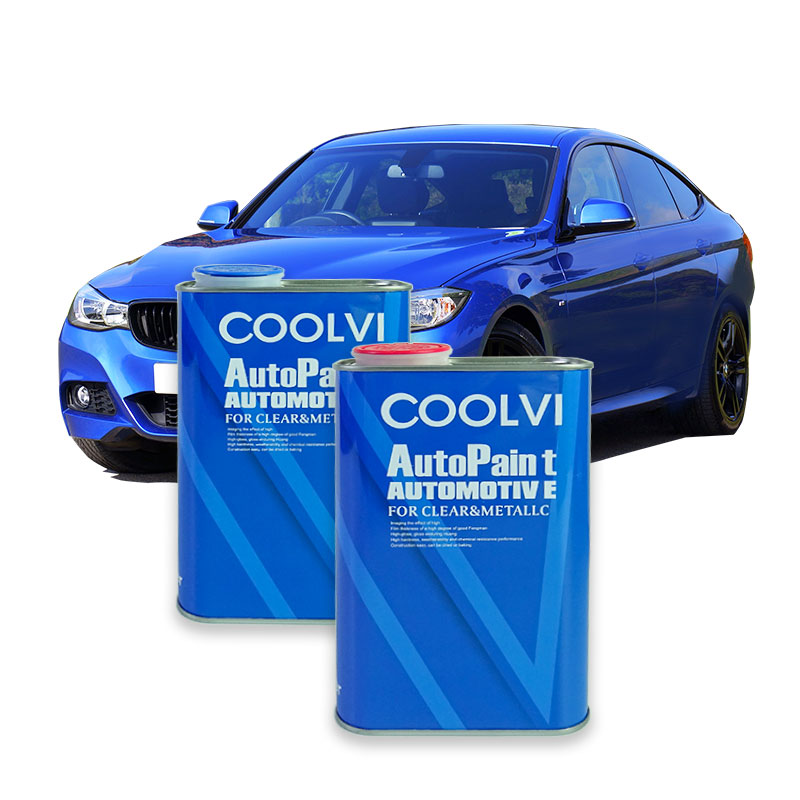


The 2K Crystal Gloss Varnish (Models: C-9600 & C-300) by COOL VI NOBLE Mixon Color is a premium Acrylic Car Spray Paint engineered for flawless, mirror-like finishes on automotive surfaces.
| Quantity: | |
|---|---|
C-9600 C-300
COOL VI NOBLE Mixon Color
Formulated for professional automotive refinishing, this 2-component (2K) acrylic crystal gloss varnish delivers a mirror-like, wet-look finish that instantly elevates the visual appeal of any vehicle. Upon application, the coating levels out to form an exceptionally smooth, glass-like surface that feels slick to the touch while providing a deep, rich luster. It pairs perfectly with our specialized hardeners (C-300, B-400, A-5500) to ensure rapid cross-linking and outstanding gloss retention over time. Engineered for high-volume collision centers, 4S repair facilities, and custom modification workshops, this clear coat adapts to varying climate conditions, ensuring a reliable, flawless result whether applied in a heated booth or a standard shop environment.
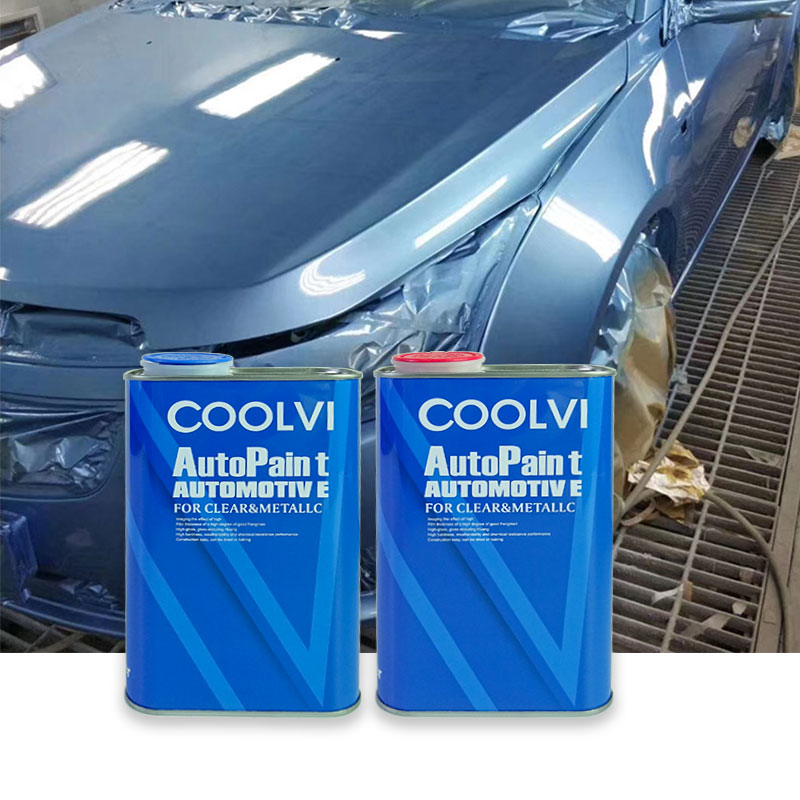
2K Formulation for Crystal-Clear Shine: Delivers a ≥90% 60° gloss finish, enhancing the vehicle’s aesthetic appeal and hiding minor surface imperfections. The resulting film provides a brilliant depth of color, reflecting light evenly to create a showroom-ready appearance.
Multi-Hardener Compatibility: Works with 3 hardener types: C-300 (standard), B-400 (medium-cure, higher hardness), and A-5500 (high-solid, best light retention)—adapting to different performance needs. This flexibility allows painters to tailor the drying speed and final film build based on the specific panel size and ambient shop conditions.
Temperature-Adaptable Curing: Fast-dry hardener (for <15℃), standard hardener (15–30℃), and slow-dry hardener (for >30℃) ensure consistent results in any climate. Painters experience excellent flow and leveling without the risk of solvent pop or dry spray, regardless of seasonal temperature shifts.
Low-Waste Packaging: Available in 0.5L×24, 1L×12, 1L×15, 2.5L×12, and 5L×4 kits, reducing leftover paint and lowering storage costs. These varied volume options accommodate everything from minor spot repairs to complete overall resprays.
Proven Weather Resistance & Durability: Rigorously tested for long-term exterior exposure, this varnish demonstrates exceptional performance in salt spray testing, UV aging resistance, and mechanical impact trials. The cross-linked acrylic structure maintains superior adhesion to basecoats, preventing peeling or yellowing even under intense sunlight and harsh environmental conditions.
Parameter | Details |
Models | C-9600, C-300 |
Compatible Hardeners | C-300 (standard), B-400 (medium), A-5500 (high-solid) |
Mix Ratio (Clear:Hardener:Thinner) | 2:1:0.2–0.5 (weight ratio) |
Temperature Range | <15℃ (fast-dry); 15–30℃ (standard); >30℃ (slow-dry) |
Packaging Options | 0.5L×24, 1L×12, 1L×15, 2.5L×12, 5L×4 |
Storage Life (20℃ sealed) | ≥2 years |
Hardness (Pencil Scale) | ≥HB (A-5500 hardener: ≥H) |
VOC Compliance | Passes international automotive VOC limits |
Beyond the physical parameters listed above, this acrylic varnish is manufactured under strict international quality control systems. The formulation holds ISO9001 certification, ensuring consistent batch-to-batch reliability for large-scale procurement. Furthermore, it complies with SGS and RoHS environmental safety standards, verifying the absence of restricted hazardous substances. With its optimized VOC profile meeting global automotive refinish limits, this clear coat guarantees smooth export compliance and supports environmentally responsible workshop practices across diverse regional markets.
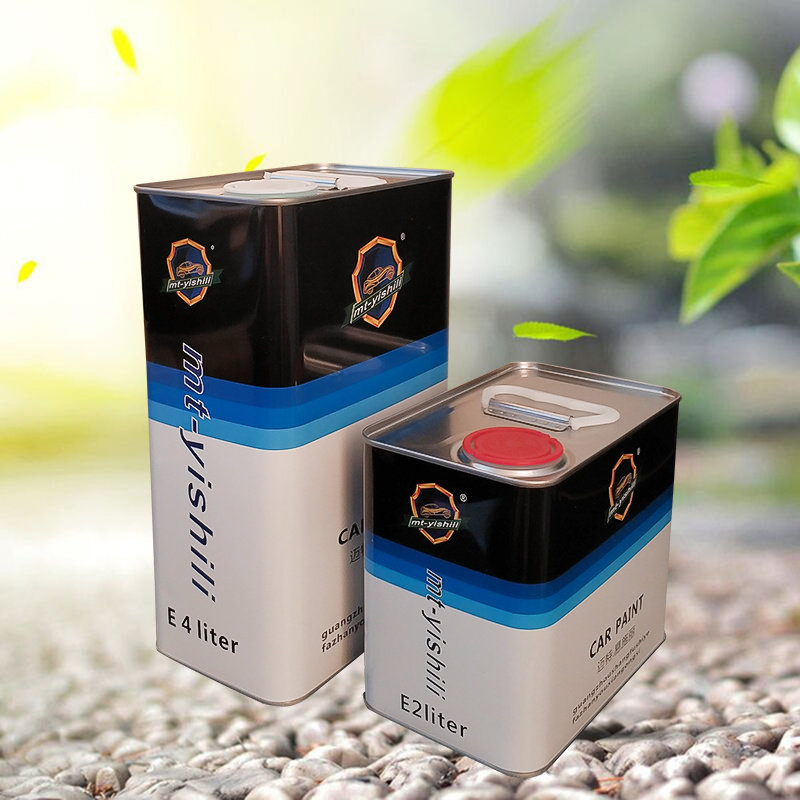
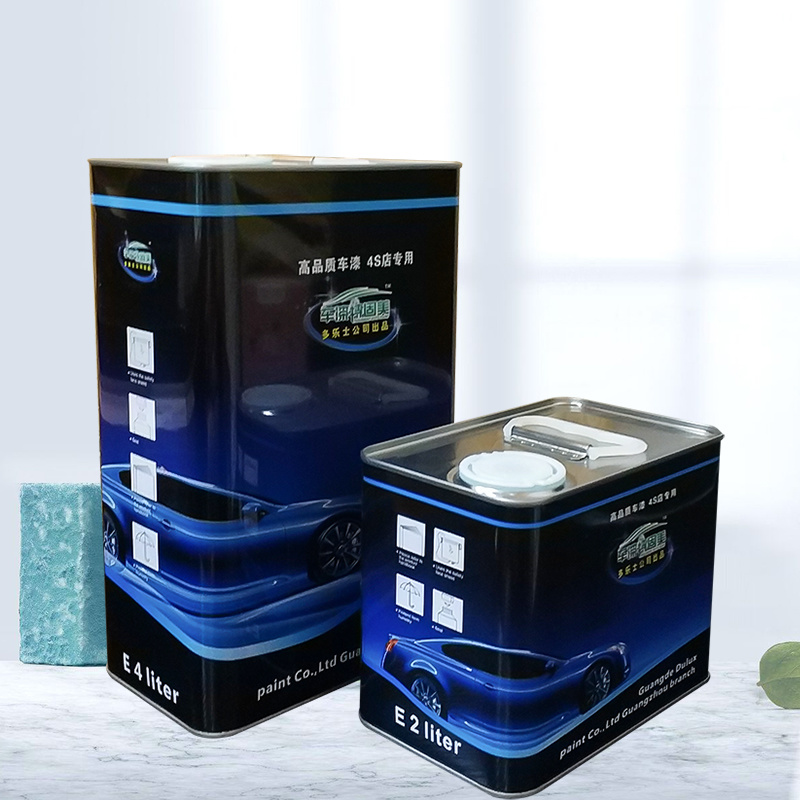
For <15℃: Use fast-dry hardener to speed up curing; avoid cold surfaces (preheat if needed). This accelerates the flash-off time, allowing for quicker handling and minimizing dust contamination in chilly environments.
For 15–30℃: Choose standard C-300 hardener for balanced drying and gloss. This provides the optimal window for excellent atomization and a smooth, glass-like flow over the vehicle body.
For >30℃: Opt for slow-dry hardener to prevent premature curing and ensure smooth flow. It keeps the wet edge open longer, completely eliminating the risk of overspray texture in extreme heat.
Mix clear coat, hardener, and thinner (0.2–0.5 part) with a digital scale—avoid guesswork to prevent cracking or dullness. A precise mix ensures the chemical reaction occurs completely, yielding a durable, solvent-resistant shield.
Spray parameters: Nozzle diameter 1.8–2.5mm, air pressure 0.3–0.5MPa; apply 2 layers (1st semi-wet, 2nd wet) with 5–10 minutes between layers. Listen for the consistent hiss of the spray gun and watch as the fine mist settles into a uniform, leveled film that instantly brings the basecoat color to life.
It is essential to allow a full 48 - hour period for complete curing to take place. During this time, refrain from exposing the item to water or any harsh environmental conditions. This ensures that the curing process occurs optimally, resulting in a more durable and long - lasting finish. Additionally, it is highly recommended to avoid waxing the surface for a full 7 days following the application. Waxing too soon could potentially interfere with the curing process, trapping outgassing solvents and compromising the overall quality of the treatment. Once fully cured, the surface emits a faint, clean acrylic scent and feels incredibly hard and slick, ready to repel dirt and road grime.
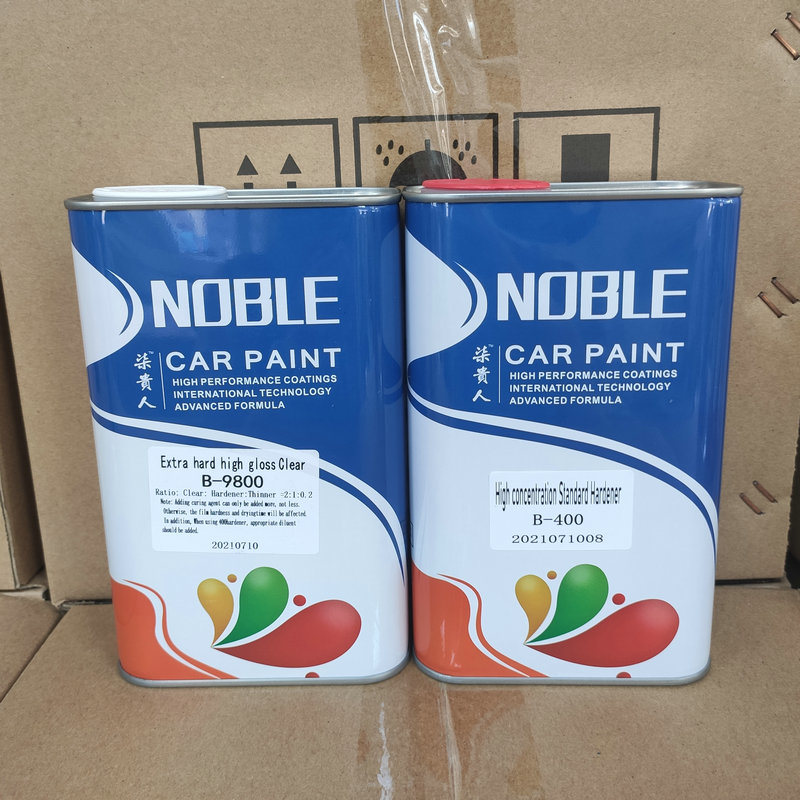
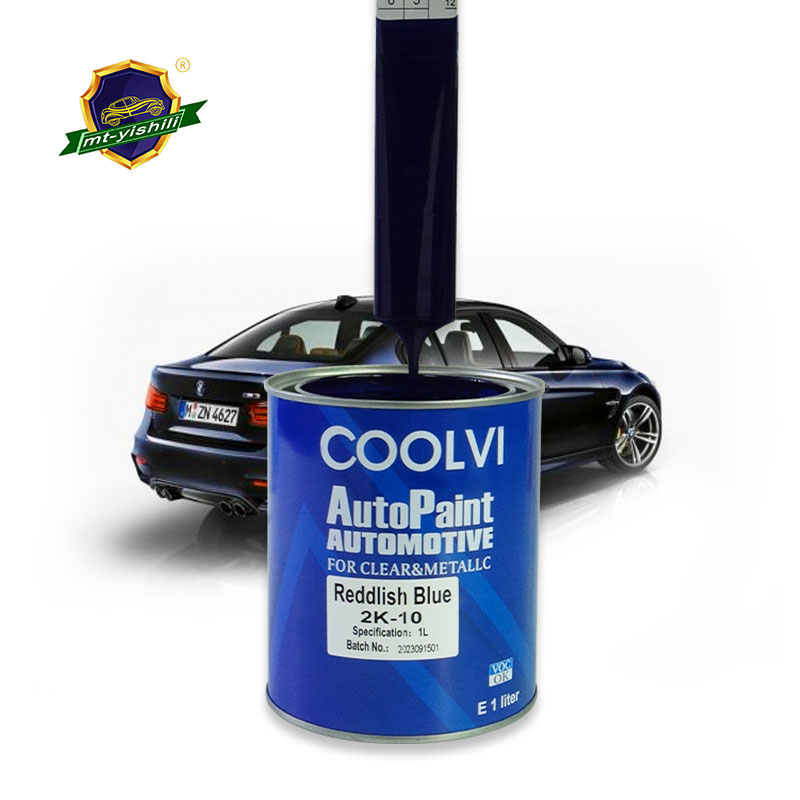
Ensure that there is robust ventilation during the spraying process. Adequate ventilation is crucial as it helps to minimize the risk of inhaling the paint mist, which can be harmful to one's health. To further safeguard against potential inhalation hazards, it is essential to use a N95+ respirator. This respirator provides a high level of filtration, effectively protecting the respiratory system from the fine particles in the paint mist. Additionally, safety goggles should be worn to shield the eyes from any splashes or debris that may occur during spraying.
It is of utmost importance to strictly avoid smoking or using open flames in the vicinity of the workspace. The presence of flammable components in the paint and related materials means that even a small spark from a cigarette or an open flame could potentially ignite a dangerous fire or explosion. Always ground your equipment to prevent static electricity buildup.
Immediately after using the tools, clean them with XLZ acrylic thinner. This not only helps to maintain the functionality of the tools but also prevents the hardening of paint residues, which could damage the equipment. When it comes to disposing of leftover paint, it is necessary to adhere to local environmental regulations. These regulations are in place to ensure that the disposal process is carried out in an environmentally friendly manner, minimizing the impact on the ecosystem.
In the event that paint comes into contact with the skin, the first step is to wipe it with a solvent - free cloth. This helps to remove as much of the paint as possible without further spreading it or introducing harmful solvents to the skin. Afterward, thoroughly rinse the affected area with soap and water to ensure complete removal of any remaining paint residues and to prevent skin irritation or other adverse effects.
To support large-scale procurement and global distribution, we offer a comprehensive suite of manufacturing and supply chain services designed to streamline your operations.
ABOUT US


