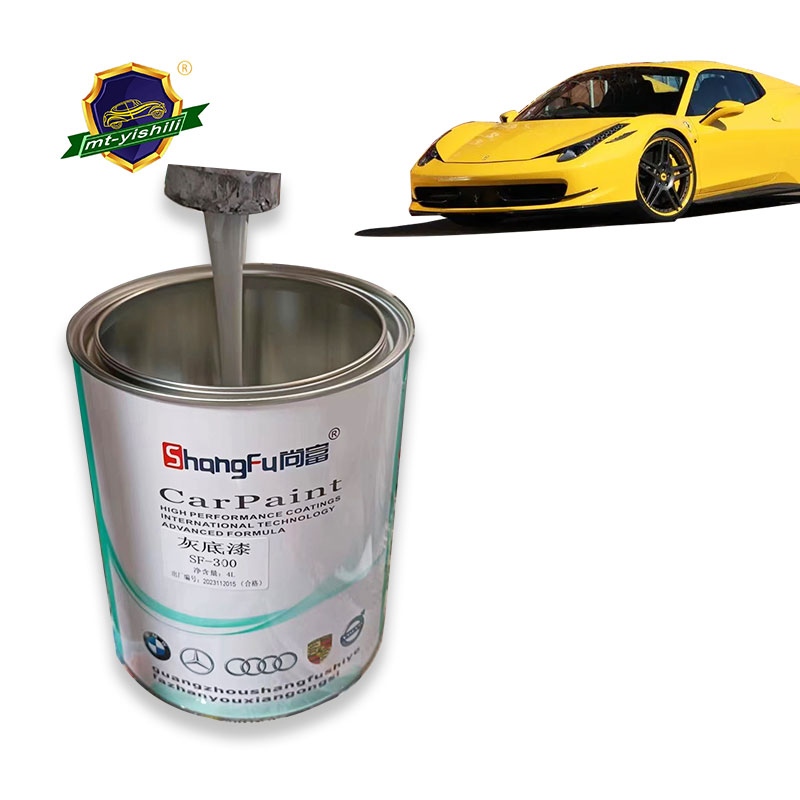
Selecting the wrong paint system for an automotive repair doesn't just result in a poor finish; it causes expensive rework, wasted shop hours, and compromised vehicle durability. Technicians face severe setbacks when applying an incorrect formulation over a prepped panel. A failing topcoat easily tarnishes a shop's reputation overnight.
With overlapping terminology between single-stage, two-stage, 1K, and 2K systems, refinishers often struggle to determine exactly when a one-component system is the most viable operational choice. Navigating these categories without a clear understanding of chemical behaviors inevitably leads to system failures. Technicians need reliable frameworks to make fast, accurate coating decisions.
This guide breaks down the chemical mechanics of 1K paint in modern collision repair. It evaluates practical applications against 2K alternatives to eliminate costly guesswork. Finally, we provide a decision framework for integrating it into your automotive refinishing workflow effortlessly.
Key Takeaways
- 1K implies "One Component": It requires no hardener or activator to cure, relying entirely on solvent evaporation (air drying).
- Role in Two-Stage Systems: 1K paint is most effectively used as a basecoat (color layer) that is subsequently locked in by a catalyzed 2K clearcoat for UV and chemical resistance.
- Operational Efficiency: 1K systems eliminate pot-life restrictions and reduce material waste, making them highly cost-effective for spot repairs and interior panel painting.
- Durability Limitations: Standalone 1K coatings lack the chemical cross-linking of 2K systems, making them unsuitable for high-impact or direct-exposure exterior topcoats.
The Mechanics of 1K Car Refinish Paint: How It Cures
Understanding automotive coatings requires analyzing their underlying chemistry. Refinishers must distinguish between physical drying and chemical curing to avoid catastrophic failures. We will examine exactly how single-component systems harden upon application.
Defining 1K Chemistry
The term "1K" stands for one-component, derived from the German word 1-Komponent. These paints arrive ready to spray right out of the can. Some formulations simply require adding a specific reducer or thinner to achieve the proper viscosity. Unlike complex catalyzed systems, 1K products do not require a chemical hardener. They rely entirely on a stable thermoplastic resin structure. This simplicity reduces mixing errors on the shop floor. When evaluating modern systems, choosing a premium 1K car refinish paint provides significant workflow advantages for basecoat applications.
The Evaporation Process (Physical Drying)
Single-component systems dry through a process called physical evaporation. The liquid carrier inside the formula keeps the solid resins suspended. Once you atomize the paint through a spray gun, these solvents hit the panel and immediately begin evaporating. As the solvents leave the wet film, the remaining resins bind together mechanically. They interlock to form a smooth, solid coating. You can speed up this process using increased airflow or mild heat. However, the internal chemical structure of the resin never actually changes. It merely transitions from a liquid state to a solid state.
The Reversibility Factor
Because 1K paint does not chemically cross-link, it possesses a critical trait known as reversibility. This means the dried paint film remains theoretically sensitive to harsh solvents. If you wipe a fully dried 1K coating using lacquer thinner, the solids will soften and re-liquefy. We call this a reversible coating. This trait serves as a crucial evaluation metric for long-term durability. You must understand this limitation when taping off freshly painted areas. Harsh chemicals, aggressive masking tapes, or accidental fuel spills can easily mar an unprotected 1K surface. Therefore, technicians must encapsulate these layers promptly.
![1K and 2K paint comparison in automotive refinishing]()
1K vs. 2K Systems: A Decision Framework for Refinishers
Every repair scenario demands a specific approach to material selection. Choosing between one-component and two-component systems impacts your entire workflow. We evaluate these options across three critical dimensions to help you make informed decisions.
Evaluation Dimension 1: Durability & Chemical Resistance
Durability dictates how long a repair will survive real-world conditions. Paint films must endure UV radiation, road debris, and chemical exposure.
- 1K Systems: These offer moderate baseline durability. They remain highly susceptible to UV degradation over time. Unprotected single-component layers will stain or dissolve if exposed to fuel spills or heavy degreasers. They cannot survive as standalone exterior protective layers.
- 2K Systems (Two-Component): These deliver extreme chemical resistance and structural hardness. Mixing a resin alongside an isocyanate hardener forces a permanent chemical reaction. This cross-linking process creates an impenetrable thermosetting plastic shell. They easily repel gasoline, bird droppings, and harsh sunlight.
Evaluation Dimension 2: Application Speed & Shop Throughput
Time management directly influences a shop's operational success. Paint systems dictate how quickly a vehicle moves through the booth.
- 1K Systems: You achieve much faster flash times between coats. These materials feature zero pot-life limits. You can mix a batch, spray a panel, and store the leftover paint safely for months. Gun cleanup requires less effort. This allows for rapid throughput during the color-matching and basecoat phases.
- 2K Systems: These introduce strict pot-life windows. Once you mix the hardener into the resin, the clock starts ticking. The material will eventually solidify inside your spray gun if left unused. They require longer curing times before you can sand or polish them safely. Technicians must maintain strict temperature controls to ensure proper chemical activation.
Evaluation Dimension 3: Safety & Compliance
Environmental regulations and technician safety standards govern modern paint shops. You must adhere to local guidelines when selecting materials.
While 1K paints still contain Volatile Organic Compounds (VOCs), they generally lack the highly toxic isocyanates found in 2K hardeners. Isocyanates pose severe respiratory hazards. They demand rigorous Personal Protective Equipment (PPE), including supplied-air respirators. Using one-component systems slightly lowers the barrier for compliance in certain regulatory environments. However, you must always employ proper ventilation, carbon-filtered masks, and protective suits regardless of the system used. Industry institutions strongly advise treating all atomized solvents as hazardous materials.
Performance Comparison Summary
| System Type | Curing Mechanism | Pot-Life Limit | Durability Level | Primary Application |
| 1K Paint | Physical Evaporation | None (Unlimited) | Moderate (Requires clearcoat) | Basecoats, Interior Panels |
| 2K Paint | Chemical Cross-Linking | Strict (1-4 Hours typically) | High (OEM Standard) | Clearcoats, Primers, Fleet Tops |
Decision Scorecard Chart
Shop Throughput Scorecard (1 to 10 Scale):
Speed of Application:
1K: ██████████ (10/10)
2K: ██████ (6/10)
Waste Reduction:
1K: █████████ (9/10)
2K: ████ (4/10)
Exterior Longevity:
1K: ███ (3/10)
2K: ██████████ (10/10)
Where 1K Car Refinish Paint Excels (and Where It Fails)
Deploying the right material in the right location prevents costly comebacks. We must analyze where physical drying formulas provide maximum return on investment. Conversely, we must identify areas where they guarantee failure.
Optimal Use Cases (High ROI)
Certain repair phases benefit immensely from rapid solvent evaporation. Here is where you should deploy these systems:
- Basecoats in a Base/Clear System: This represents the undisputed industry standard. Fast-drying one-component basecoats lay down smoothly. The rapid physical drying locks metallic flakes and pearls into the correct orientation. This prevents the modeling or mottling often seen in slow-curing enamels. You achieve accurate color before applying the protective clear.
- Spot Repairs & Blending: Minor touch-ups require extreme precision. Single-component aerosols or airbrush mixtures allow for highly controllable feathering. You can blend color into adjacent panels seamlessly without worrying about a hardener kicking off prematurely.
- Interior Panels & Engine Bays: Areas hidden from direct UV rays endure less environmental stress. Trunk interiors, floor pans, and engine compartments do not face road salt or harsh weather. Applying a rapid-dry color coat here saves immense time while providing adequate aesthetic coverage.
High-Risk Use Cases (Avoid)
You must avoid using non-catalyzed systems in high-stress zones. Misapplying these materials leads to rapid degradation.
- Exterior Topcoats: Never use a 1K clearcoat on exterior body panels. The resulting finish will suffer from premature fading and severe chalking. Bird droppings carry high acidity. Gasoline spills happen frequently near filler caps. Unprotected layers will melt or etch upon contact with these common hazards.
- High-Flex Areas: Plastic bumpers experience constant vibration and minor impacts. Non-catalyzed paints often lack the elastomeric flexibility required for modern urethane bumpers. Without proper adhesion promoters and catalyzed flex additives, physical-drying paints will crack and flake off quickly.
Implementation Realities: Application Risks and Rollout Lessons
Theoretical knowledge must translate into practical booth skills. Even the highest quality materials fail if applied under poor environmental conditions. You must manage solvent dynamics carefully to achieve OEM-quality results.
Managing Flash-Off Times
Allowing proper solvent evaporation between coats remains non-negotiable. We call this the flash-off period. Rushing a basecoat application traps heavy solvents beneath the surface. You must wait until the wet, glossy film transitions to a uniform matte finish. This visual cue indicates the solvents have safely exited the layer. If you apply a second coat too quickly, the fresh layer re-wets the first layer aggressively. This causes heavy sagging, color shifting, and prolonged drying times.
The Risk of "Solvent Pop" and Delamination
Disaster strikes when you apply a catalyzed 2K clearcoat over a 1K basecoat that hasn't fully flashed off. The clearcoat acts like a plastic sheet sealing the surface. Meanwhile, the trapped basecoat solvents desperately try to escape upward. They push against the hardening clearcoat, causing microscopic bubbles. We call this defect "solvent pop." It ruins the visual clarity of the finish completely. Furthermore, trapped solvents destroy the mechanical bond between the layers. This inevitably leads to massive clearcoat peeling, known as delamination, months down the road.
Common Mistake: Technicians often touch the masking tape to test for dryness. Tape dries faster than panel steel. Always assess the actual painted surface visually before moving to the next stage.
Temperature and Humidity Variables
Ambient shop conditions alter physical drying times drastically. High humidity blankets the panel in moisture. This invisible moisture barrier prevents solvents from escaping efficiently. Similarly, cold temperatures slow down evaporation exponentially. You must perform dynamic adjustments to your reducer speeds based on the daily weather. Use fast reducers in cold climates to force quick evaporation. Use slow reducers in extreme heat to prevent the paint from drying before it hits the panel (dry spray). Adapting to your environment ensures consistent, reliable results.
Integrating 1K Paint into a Standard Refinishing Process
Achieving predictable results requires a standardized operating procedure. You must follow a disciplined, sequential process when combining different chemical systems. Here is the framework for flawless integration.
Step 1: Surface Prep & Priming
Proper adhesion demands meticulous surface preparation. Single-component basecoats contain high solvent loads. These solvents will penetrate and swell sensitive underlying substrates. Furthermore, thin basecoats will magnify any underlying scratches.
- Thoroughly degrease the entire panel using a dedicated wax and grease remover.
- Apply a catalyzed primer surfacer to isolate the raw bodywork.
- Block sand the primer using P400 grit abrasive.
- Finish the surface using a high-grit abrasive, typically P600 to P800. This fine scratch profile is non-negotiable for metallic colors.
- Clean the panel one final time and use a tack cloth to remove microscopic dust.
Step 2: Basecoat Application (1K)
Your goal during color application is uniform coverage and proper flake orientation. You must master your spray gun technique.
- Adjust your spray gun inlet pressure according to the paint manufacturer's technical data sheet (TDS).
- Maintain a consistent distance of 6 to 8 inches from the panel surface.
- Apply a medium-wet coat using a 50% to 75% overlap pattern. Keep your wrist perfectly perpendicular to the panel.
- Allow the first coat to flash completely to a dull matte finish.
- Apply subsequent coats until you achieve full color hiding. Avoid heavy, wet coats. Opt for controlled, even passes to prevent mottling.
- For metallic colors, apply a final light "drop coat" from a slightly further distance. This evens out the metallic flakes beautifully.
Step 3: The 2K Clearcoat Lock-In
The final step involves shortlisting the correct clearcoat. You must pair your fast-drying color with a high-solids clearcoat to achieve professional, OEM-level results. Once the color layer flashes off completely, you have a specific time window to apply the clear. The clearcoat solvents will bite slightly into the color layer, creating a mechanical intercoat bond. Apply two medium-wet coats of catalyzed clear, respecting the flash times between each coat. This crucial lock-in step provides the gloss, UV protection, and chemical resistance required for modern road conditions.
Conclusion
Understanding the chemistry behind modern coatings transforms how you approach collision repair. The one-component system acts as a specialized tool for efficiency, rapid color delivery, and operational flexibility. It is not designed for standalone exterior protection. By respecting its physical drying limitations, you prevent delamination and solvent pop before they occur.
Your next step involves auditing your current shop environment. Assess upcoming jobs carefully to determine if they require a full respray or a localized touch-up. Review your inventory of reducers to ensure you have the correct speeds for your local climate. By pairing a high-quality single-component base with a premium catalyzed clear, you guarantee durable, profitable, and visually stunning repairs every time.
FAQ
Q: Can you spray a 2K clearcoat over a 1K basecoat?
A: Yes, this is the standard "two-stage" automotive paint process. However, the 1K base must be fully flashed off (dry to a matte finish) before applying the 2K clear to prevent solvent entrapment. Rushing this step causes microscopic bubbling and long-term delamination.
Q: Does 1K paint need a hardener?
A: No. By definition, 1K implies single-component. Adding a hardener to a true 1K paint will not induce cross-linking and may ruin the chemical balance of the paint entirely. It relies strictly on air drying.
Q: Is 1K paint the same as single-stage paint?
A: Not necessarily. Single-stage paint (color and gloss in one) can be 1K (like cheap touch-up aerosols) or 2K (catalyzed acrylic urethanes used in fleet work). 1K automotive refinish paint usually functions strictly as a flat basecoat requiring a clear.
Q: How long does 1K automotive paint take to dry?
A: It flashes off between coats in 10-15 minutes at standard room temperature (70°F/21°C). However, it remains chemically vulnerable to harsh solvents indefinitely until properly top-coated and locked down by a catalyzed clearcoat.