Automotive painters constantly seek the perfect balance between flawless finishes and fast application. Ready-to-spray paint systems offer undeniable convenience for quick projects. However, achieving OEM-level durability remains a serious challenge. DIY automotive enthusiasts and classic car restorers face a difficult divide. They must balance workflow efficiency against the risk of long-term finish failures.
Choosing the wrong coating system can lead to severe peeling, chemical damage, or ruined restorations. Understanding these limits saves hours of costly rework. We will break down the precise technical trade-offs of single-component paints. You will discover exactly when these convenient coatings make sense.
You need hard facts over marketing hype to ensure absolute project success. Read on to determine if this specific solution aligns perfectly with your environmental constraints and final durability goals.
Key Takeaways
- 1K car refinish paint cures via solvent evaporation rather than chemical cross-linking, making it easier to use but inherently softer than two-component (2K) alternatives.
- Primary Pros: Infinite pot life, significantly lower toxicity (often free of isocyanates), and lower upfront cost.
- Primary Cons: Vulnerability to harsh solvents (like fuel spills), lower UV resistance, and susceptibility to environmental damage over time.
- Best Use Cases: Interior panels, engine bays, spot repairs, classic car single-stage aesthetics, and hobbyist projects with limited PPE/ventilation capabilities.
Understanding 1K Paint: Curing Mechanics vs. Performance
Single-component paints operate on a fundamentally different chemical level than their two-part counterparts. They dry entirely through solvent evaporation. Liquid carriers simply evaporate into the ambient air. The physical resins and color pigments remain locked onto the panel surface. In contrast, dual-component systems rely on chemical cross-linking. Adding a dedicated activator triggers an irreversible chemical reaction. It locks the molecules together into a hardened, impenetrable shell.
Because you never add a hardener, the resulting film behaves differently. The painted surface remains theoretically reversible. If you spill aggressive solvents over a fully dried single-stage panel, the resins can easily reliquefy. You might see instant wrinkling or heavy lifting. We must treat these softer finishes with immense care long after the initial application.
Paint manufacturers have improved modern formulations significantly. Many premium brands now utilize highly advanced acrylics and modified urethanes. These upgrades yield better gloss retention and much faster flash times. Applying modern 1K car refinish paint provides surprisingly good initial visual results. Even so, the foundational chemical limitation persists. Without an isocyanate cross-linker, the molecular bonds simply cannot achieve maximum physical hardness.
Curing Mechanism Comparison Chart
| Feature |
Single-Component (1K) |
Dual-Component (2K) |
| Curing Method |
Solvent evaporation (drying) |
Chemical cross-linking |
| Activator Required |
No |
Yes |
| Reversibility |
High (vulnerable to solvents) |
None (irreversible bond) |
| Hardening Speed |
Slow (requires deep off-gassing) |
Fast (chemically forced cure) |
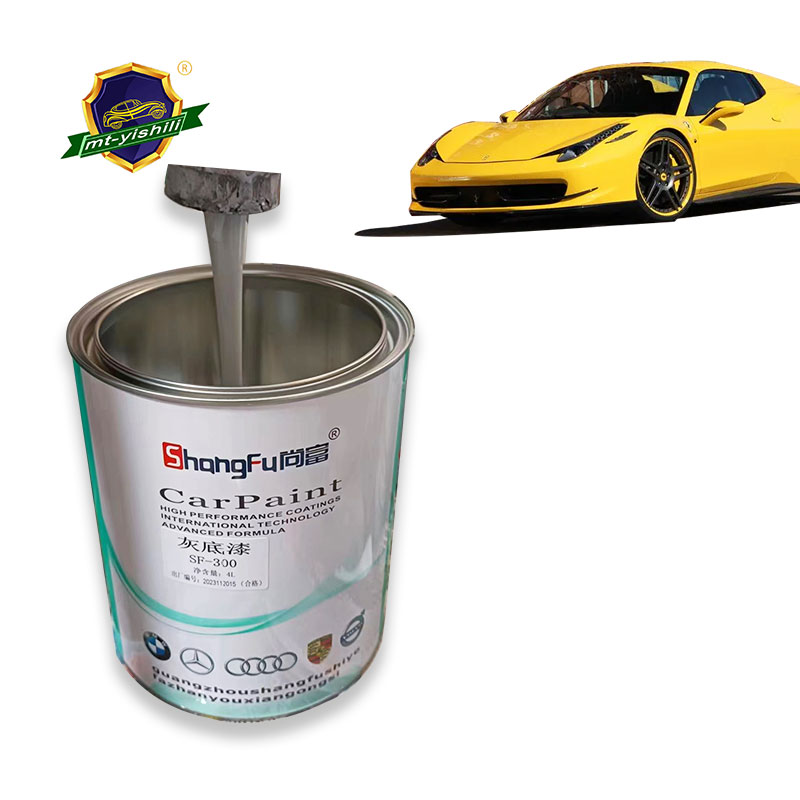
The Distinct Pros of Using 1K Car Refinish Paint
Operational Simplicity and Cost Efficiency
Convenience heavily drives the popularity of single-component finishes. You completely eliminate the need to measure precise activator-to-base ratios. This removes a massive source of human error from the paint booth. Painters avoid the stressful risk of under-catalyzing or over-catalyzing their mix. You pour the liquid directly into your spray gun cup. You begin spraying immediately.
You also gain an infinite pot life. Any unused paint remaining in your gravity cup can simply go back into the storage tin. You seal the lid tightly and save it for next time. This drastically reduces overall material waste. Two-part systems will harden into a solid plastic block inside the cup if left sitting too long.
Your equipment requirements drop significantly as well. These lighter coatings are less demanding on air compressors and standard spray equipment. Cleaning your spray gun takes half the normal time. A quick flush with standard thinner easily dissolves the unhardened resins inside the tiny fluid passages.
Health, Safety, and Compliance Advantages
Safety remains a paramount concern in any automotive refinishing project. Two-part clear coats and primers almost universally contain highly toxic isocyanates. These aggressive chemicals can trigger severe respiratory sensitization. Handling them safely requires expensive supplied-air respirators and commercial-grade extraction booths. Single-component products often bypass this specific health hazard entirely.
Most single-stage ready-to-spray quarts contain zero isocyanates. You can generally spray them using standard VOC-compliant organic vapor filtration masks. Always verify the specific Safety Data Sheet (SDS) before pulling the trigger.
This lower toxicity level makes home garage application highly possible. Automotive hobbyists can achieve excellent aesthetic results in well-ventilated residential spaces. You do not strictly need a specialized commercial downdraft booth to apply these products safely.
The Technical Cons and Trade-offs
Durability and Chemical Resistance Deficits
You inherently trade ultimate convenience for structural resilience. We measure a coating's robustness through chemical defiance and mechanical resistance. Single-component finishes struggle heavily in both analytical categories.
Consider the basic solvent test. If you spill heavy automotive fluids on this paint, it will likely degrade rapidly. The surface may wrinkle, bubble, or wipe away completely onto your rag. The complete lack of a catalyzed chemical bond leaves the vulnerable resin exposed.
Common chemical enemies to watch out for include:
- Heavy automotive fuels and high-octane gasoline.
- Corrosive synthetic brake fluids.
- Aggressive industrial engine degreasers.
- Standard paint thinners and pure acetone.
Mechanical hardness presents another daily challenge. The cured finish remains inherently softer than catalyzed modern clear coats. It proves far more prone to road debris impacts and sharp stone chips. Regular maintenance washing can introduce wash marring and micro-scratches much faster. You must use extremely gentle microfiber towels and high-lubricity soaps to maintain the surface gloss.
Climate and Longevity Risks
Environmental exposure continuously accelerates wear on softer automotive finishes. Prolonged direct sunlight acts as a relentless enemy. Without the advanced UV inhibitors locked inside a catalyzed clear coat, these panels oxidize noticeably faster. The rich pigment will begin to fade or turn completely chalky after a few years of harsh outdoor parking.
Painters also frequently fall for the "dry to the touch" illusion. The surface might feel completely dry and dust-free within twenty minutes. However, deep solvent off-gassing takes significantly longer. Full structural hardening can require several weeks depending on ambient garage temperatures.
If you attempt aggressive compounding or wet sanding too early, disaster strikes. The soft paint will roll up into tiny rubber balls under your polishing pad. You end up ruining the entire finish and delaying the final detailing stages entirely.
Decision Framework: When to Spec 1K Over 2K
By Project Scope
Choosing the right liquid material requires accurately assessing your specific project scope. We strictly advise against single-component products for full exterior vehicle resprays. The stark lack of UV resistance and chemical stability creates a huge risk of premature failure. Daily drivers face far too many harsh environmental hazards on the highway.
Spot repairs offer a completely different story. If you need quick touch-ups on minor bumper scuffs, these products excel brilliantly. Blending repair edges becomes much easier when extreme structural hardness is not your absolute primary goal.
Hidden areas serve as the absolute perfect use case. Engine bays, trunk interiors, and undercarriage components rarely see direct sunlight. They rarely experience heavy mechanical abrasion from road debris. Applying 1K car refinish paint in these specific zones saves tremendous application time and masking effort.
Ideal application zones include:
- Internal trunk floors and spare tire wells.
- Engine bay firewalls and inner fenders.
- Undercarriage suspension brackets and custom mounts.
- Interior metal dashboard panels and classic door shells.
By User Category
Different user groups carry vastly different liability burdens. Professional high-volume collision centers aggressively avoid these coatings for exterior panels. Customer warranty claims on faded or peeling hood repairs create an unacceptable liability risk. High-volume shops desperately need guaranteed longevity to protect their reputation.
Vintage car restorers view the identical situation differently. Many classic car owners desperately want to replicate original factory aesthetics. A classic 1960s vehicle originally featured a soft single-stage finish. Applying a modern high-solids catalyzed clear coat looks entirely too thick and plastic-like for a true museum restoration. Single-component enamels intuitively recreate that authentic, period-correct depth perfectly.
Implementation Realities: Mitigating Application Risks
Applying these specialized materials successfully requires strict booth discipline. Single-component systems act notoriously unforgiving toward poorly prepped surfaces. You must emphasize highly stringent degreasing protocols. Even microscopic trace amounts of silicone or human finger oils will cause massive fisheyes and widespread peeling.
Environmental controls directly dictate your solvent flash times. Ambient humidity and room temperature control exactly how fast the solvents evaporate. Cold, damp environments present a severe risk of deep solvent entrapment. Painters call this common defect "die-back." The surface skins over too quickly, trapping wet solvents underneath. This predictably leads to a dull, hazy finish several months later.
Application Parameters Table
| Parameter |
Recommended Setting / Practice |
| Fluid Nozzle Size |
1.3mm to 1.4mm |
| Spray Technique |
Light to medium-wet even coats |
| Flash Time Between Coats |
10 to 15 minutes (temperature dependent) |
| Surface Prep |
Thorough wax & grease remover wipe-down |
Your spray gun settings matter immensely. We recommend standard HVLP spray guns utilizing a 1.3mm or 1.4mm fluid nozzle. Keep your inlet air pressure dialed in exactly to the manufacturer specifications. Laying down excessively heavy wet coats will trap liquid solvents and delay drying infinitely. Apply light, overlapping coats instead.
Let us address a highly dangerous misconception. Many hobbyists believe they can simply spray a dual-component clear coat over a dried single-component base. They think this guarantees maximum top-level durability. This usually results in an absolute disaster. The aggressive curing solvents in the catalyzed topcoat will immediately bite into the un-catalyzed base layer. This causes massive surface wrinkling, severe solvent pop, or total lifting. If the base layer has not fully off-gassed for several weeks, the hard clear coat permanently seals those escaping gases inside.
Conclusion
Single-component coatings serve as a highly specialized tool rather than a universal spray substitute. They intentionally trade maximum exterior durability for unmatched accessibility, workshop safety, and operational convenience. You gain a profoundly easier workflow but lose ultimate chemical invulnerability.
Before starting your next spray session, audit your project parameters carefully. Evaluate the panel's future exposure to direct sun, raw engine fuel, and physical abrasion. Review your personal protective equipment setup honestly.
If you lack expensive supplied-air respiration gear, single-stage solutions might represent your safest path forward. Make your final choice based on strict safety limitations and realistic long-term finish expectations.
FAQ
Q: Can you spray 2K clear coat over 1K paint?
A: We generally advise against it. The strong solvents in the dual-component clear coat will bite into the softer underlying base layer. This interaction usually causes immediate wrinkling, bubbling, or lifting. If you must attempt this, you must wait weeks for the base layer to fully off-gas and harden. Even then, test a hidden area first.
Q: How long does 1K car paint take to fully cure?
A: It feels dry to the touch within twenty to thirty minutes. However, a full cure takes much longer. Deep solvents must evaporate completely out of the film build. This off-gassing process requires anywhere from two weeks to a full month. Wait until it stops smelling like solvent before attempting any machine polishing.
Q: Does 1K paint need a primer?
A: Yes, it strictly requires a primer for proper adhesion over bare metal or plastic. Single-component topcoats lack the chemical bite needed to grip unetched surfaces. You must apply an appropriate epoxy or etching primer first. Scuff the primer properly before applying your topcoat to ensure a strong mechanical bond.
Q: Is 1K paint fuel resistant?
A: No, it is generally not fuel-resistant. Because it cures through simple solvent evaporation rather than chemical cross-linking, harsh chemicals can easily reliquefy the resins. If you spill gasoline near a fuel filler door painted with a single-component finish, wipe it off immediately. Leaving it will cause the paint to severely wrinkle or peel.


