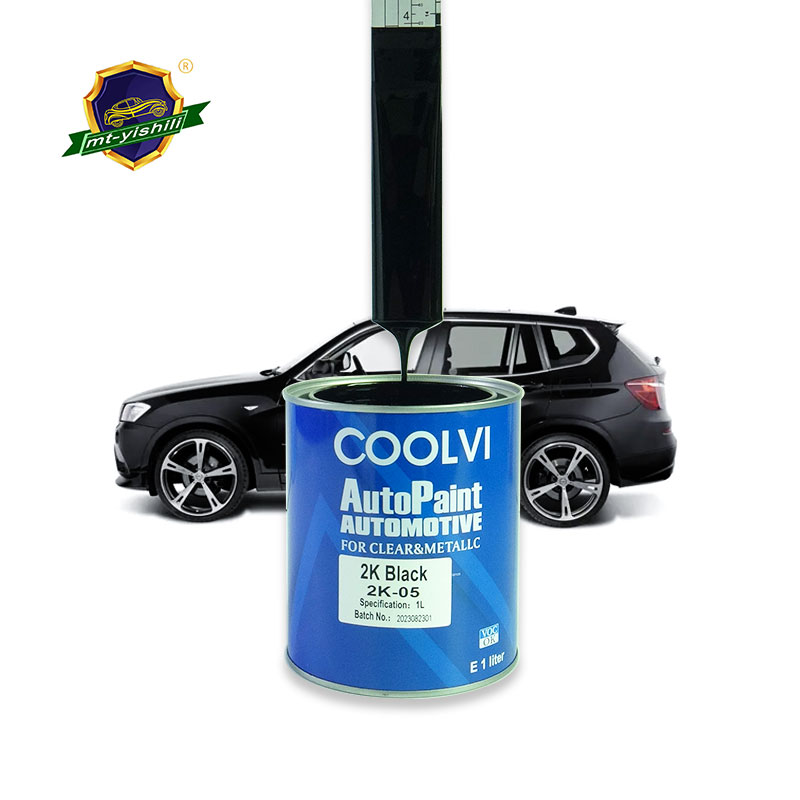
Automotive restoration professionals and serious DIY enthusiasts eventually face a critical crossroad. They must choose a paint system balancing pristine finish quality against serious application complexity. Choosing an inadequate paint formulation frequently leads to premature UV degradation, flaking, or chemical failure. More alarmingly, improper selection introduces severe health and safety hazards during the spraying process if handled incorrectly. This article provides an objective, evidence-based breakdown of specialized dual-component coatings. You will discover exactly how they function, where they excel, and why professionals rely on them. We will help you determine if this chemical system aligns smoothly smoothly your project requirements, safety capabilities, and available equipment. By the end, you will know exactly how to achieve commercial-grade results while prioritizing your personal wellbeing.
Key Takeaways
- Durability and Curing: 2k (two-component) acrylic systems utilize a chemical hardener, resulting in a catalyzed cross-linking process that offers superior UV and chemical resistance compared to 1k alternatives.
- Operational Demands: The strict "pot life" (working time) requires precise mixing ratios and efficient application workflows, limiting scalability for ill-prepared environments.
- Safety Imperatives: The presence of isocyanates in the hardener mandates professional-grade personal protective equipment (PPE), including supplied-air respirators, negating it as a casual "driveway" option.
- Strategic Fit: Ideal for full-panel resprays, classic car restorations, and high-wear clear coats where longevity is the primary success metric.
Understanding the Baseline: What Makes a Paint "2k Acrylic"?
To grasp the performance metrics of these coatings, we first need to look at their chemistry. The term "2k" simply stands for "two-component." This indicates a system requiring two distinct chemical parts to function. Part A consists of the acrylic resin. This holds the color pigments or the transparent clear coat properties. Part B is the activator or hardener. You must combine both parts immediately before application.
The magic happens during the cross-linking process. Traditional 1k (one-component) paints dry through solvent evaporation. The liquids simply evaporate into the air, leaving the solid resins behind. Chemical curing in two-part systems works entirely differently. The hardener acts as a catalyst. It forces the molecules in the acrylic resin to bond and interlock tightly. This creates a dense, three-dimensional molecular grid. 2k Acrylic car paint relies on this exact chemical reaction to achieve its legendary hardness.
Professionals generally categorize these systems into two distinct types. First, we have single-stage paints. These mix color and gloss into one fluid application. They save time and material during classic vehicle restorations. Second, we have base/clear systems. Here, you apply a flat color base coat first. Then, you apply a catalyzed transparent layer on top. This two-step process provides superior depth and UV protection.
![2k Acrylic car paint application process]()
The Core Advantages of 2k Acrylic Car Paint
Superior Chemical and Environmental Resistance
Once fully cured, the cross-linked surface becomes incredibly dense. This structural density prevents external contaminants from penetrating the finish. Standard air-dry enamels remain somewhat porous and soft long after application. Catalyzed acrylics form an impenetrable shield.
This hardened surface easily withstands common environmental hazards. You can expect exceptional resistance against:
- Bird Droppings: High uric acid levels eat through standard paints quickly. Catalyzed acrylics resist this acidic etching.
- Tree Sap: Sticky resins wipe away easily without staining the clear coat.
- Fuel Spills: Gasoline evaporates off the hardened surface instead of melting the resin.
- Harsh UV Rays: Built-in UV inhibitors prevent rapid oxidation, fading, and peeling under direct sunlight.
Best Practice: Always wash environmental contaminants off your vehicle promptly. While catalyzed surfaces resist damage significantly better, leaving harsh acids on any surface indefinitely will eventually compromise the gloss.
Accelerated and Predictable Cure Times
Chemical curing offers massive operational advantages regarding time management. Because the hardening process relies on a chemical reaction rather than air drying, the timelines become highly predictable. Painters can choose different hardener speeds (fast, medium, slow). They select these based on current ambient temperatures.
This predictability allows for much faster "flash-off" times. Flash-off is the mandatory waiting period between coats. It allows trapped solvents to escape. Faster flash times reduce the window for airborne dust and debris to ruin the wet finish. You can often move the vehicle out of the spray booth much sooner.
Furthermore, these coatings achieve a hard-cure state rapidly. You can typically wet-sand and polish the finish within 24 hours. Older enamel technologies sometimes required weeks to cure enough for aggressive polishing. This rapid turnaround is essential for professional collision centers managing tight schedules.
High Build and Gloss Retention
Structural integrity defines the physical appearance of catalyzed coatings. The interlocking molecules allow painters to apply thicker coats. This is known as "high build." Thicker coats hide minor surface imperfections easily.
When applied correctly, these systems avoid "solvent pop." Solvent pop happens when top layers dry faster than underlying layers. Trapped gases forcefully bubble up, ruining the finish. Correct mixing ratios and proper flash times eliminate this risk entirely. The result is a smooth, glass-like finish.
Gloss retention is another major benefit. Non-catalyzed paints often shrink over time. As residual solvents slowly escape over months, the paint pulls tightly against underlying sanding scratches. This dulls the overall shine. Catalyzed acrylics lock into place chemically. They do not shrink, ensuring the gloss remains pristine for years.
The Critical Disadvantages: Implementation Risks and Limitations
Extreme Toxicity and Safety Compliance (Isocyanates)
The most significant barrier to using these coatings is user safety. The activators and hardeners contain isocyanates. These are highly reactive chemicals. They target the respiratory system aggressively. Exposure can trigger severe asthma attacks, permanent lung sensitization, and allergic reactions.
Common Mistake: Many DIYers assume standard carbon-filter respirator masks provide enough protection. They do not. Isocyanates have poor warning properties. You cannot smell them until exposure levels become dangerously high.
Professional safety compliance is mandatory. Industry standards, such as those outlined by OSHA, require positive-pressure, supplied-air respirators. Painters must wear full-body suits, nitrile gloves, and eye protection. You must prevent any skin contact or vapor inhalation. This extreme toxicity negates catalyzed systems as a casual "driveway" option.
Strict Pot Life Constraints
The chemical reaction begins the absolute second you mix Part A and Part B. This creates a strict "pot life." Pot life refers to the total working time before the mixture thickens and hardens irreversibly. Once mixed, you cannot stop the reaction.
To manage pot life safely and efficiently, professionals follow strict procedures:
- Calculate Volume Needs: Estimate the exact amount of material required for the specific panel. Over-mixing leads to expensive material waste.
- Measure Precisely: Use calibrated mixing cups. Accurate volume or weight mixing guarantees the chemistry works as designed.
- Monitor the Clock: Track your working time closely. Spray the material smoothly without rushing, but do not pause for long breaks.
- Purge the Equipment: Immediately clean the spray gun once finished. If the material hardens inside the gun's fluid passages, it will destroy the equipment.
Failing to respect these constraints leads to disastrous results. Paint solidifying mid-spray ruins the finish and destroys expensive tools.
Higher Upfront Costs and Equipment Requirements
Quality requires investment. Two-component systems cost significantly more than their one-component counterparts. You are not just buying a single can of color. You must purchase the base resin, the mandatory activator, and specific reducers. You often need different reducers adjusted for different seasonal temperatures.
Beyond the coatings themselves, the equipment demands are high. You need powerful air compressors to atomize the thicker fluids properly. You need professional High Volume Low Pressure (HVLP) spray guns. Finally, you must purchase heavy-duty cleanup solvents, often called gun wash, to clear the catalyzed resin from your tools before it cures.
2k Acrylic vs. The Alternatives: A Decision Framework
Selecting the right coating requires understanding how it compares against competing technologies. Let us evaluate the most common alternatives found in the automotive refinishing market.
2k Acrylic vs. 1k Paint (Aerosols/Standard Air-Dry)
One-component paints offer unmatched convenience. They come in easy-to-use aerosol cans or ready-to-spray quarts. You do not need precise mixing ratios. They are significantly safer to spray, requiring only standard organic vapor respirators. However, the performance gap is massive.
Verdict: 1k systems win on convenience and safety. Catalyzed systems overwhelmingly win on durability, gloss, and solvent resistance.
What to watch out for: Never spray a catalyzed coating over a fresh 1k layer. The harsh solvents in the two-part system will attack the uncured one-part layer. This causes severe wrinkling, lifting, and catastrophic failure of the entire paint job.
Performance Comparison Chart
| Feature Metric | 1k Standard Paint | 2k Acrylic Paint | Urethane Auto Paint |
| Curing Method | Solvent Evaporation | Chemical Cross-Linking | Chemical Cross-Linking |
| Durability & Hardness | Low to Moderate | Very High | High (More Flexible) |
| Safety Gear Required | Standard Carbon Mask | Supplied-Air Respirator | Supplied-Air Respirator |
| Application Difficulty | Beginner Friendly | Advanced/Professional | Advanced/Professional |
2k Acrylic vs. Urethane Auto Paints
Many professionals consider urethanes and acrylics as closely related cousins. Both utilize hardeners. Both provide excellent durability. However, they possess slightly different physical characteristics once cured.
Verdict: Urethanes generally offer higher flexibility. This makes them ideal for modern plastic bumpers and providing supreme stone-chip resistance on front fascias. Conversely, professionals prize catalyzed acrylics for their specific gloss clarity. They also offer exceptional color-sanding characteristics. This makes them highly desirable for vintage classic car restorations where a "wet" look is paramount.
Shortlisting Logic: When Should You Commit to 2k Acrylic?
Making the final decision requires an honest assessment of your workspace, budget, and project goals. We have broken down the specific scenarios where this coating excels, and where it fails.
Ideal Scenarios
- Professional Shop Environments: Facilities equipped with OSHA-compliant cross-draft or downdraft ventilation booths safely extract toxic overspray.
- High-Budget Restorations: Classic cars requiring maximum longevity, show-quality gloss, and zero material shrinkage over decades.
- Clear Coat Applications: Applying a catalyzed transparent layer over a standard base coat ensures ultimate UV protection and depth.
- Full-Panel Resprays: Repainting entire hoods, roofs, or complete vehicles where color matching and uniform texture are critical.
When to Avoid
- Quick Touch-Ups: Minor scratches on low-value daily drivers do not justify the cost, setup time, or health risks of catalyzed systems.
- Unventilated Residential Garages: DIY projects lacking proper airflow and supplied-air PPE risk severe, life-altering respiratory damage.
- Unknown Underlying Paint: Spraying over untested existing paint layers without applying a proper isolating sealer usually results in chemical lifting and wrinkling.
Conclusion
Catalyzed acrylic systems represent the pinnacle of automotive finishing technology. They trade simple application convenience for permanent, commercial-grade results. The chemical cross-linking process guarantees a surface capable of resisting harsh weather, chemical spills, and daily wear. However, these benefits demand immense respect for safety protocols and mixing precision.
Before purchasing your materials, assess your spray environment thoroughly. Ensure you have the budget for a supplied-air respirator system. Verify the chemical compatibility of your underlying primers and existing paint layers. By respecting the chemistry and the equipment requirements, you will produce a stunning, glass-like finish capable of lasting a lifetime.
FAQ
Q: Can I spray 2k acrylic car paint without a spray booth?
A: It is technically possible but highly discouraged. The extreme toxicity of airborne isocyanates easily spreads to adjacent areas, endangering others. Furthermore, lacking a booth increases the risk of dust and debris contaminating the wet edge, ruining your flawless finish.
Q: How long is the pot life of mixed 2k acrylic?
A: Pot life typically ranges from 2 to 6 hours. This duration depends heavily on the specific brand formula, the activator speed chosen (fast, medium, or slow), and current ambient temperatures in your workspace.
Q: Will 2k acrylic paint melt or lift my existing paint?
A: It can act as a very harsh solvent. If your underlying paint is a 1k aerosol product or an uncured air-dry enamel, the strong solvents will likely cause lifting or severe wrinkling. You usually require an isolating epoxy or urethane sealer first.
Q: Do I need a clear coat over 2k acrylic?
A: If you choose a "single-stage" formulation, the gloss properties are built directly into the color mix, making clear coats completely optional. However, if using a base coat system, a catalyzed clear coat becomes mandatory for UV protection and shine.