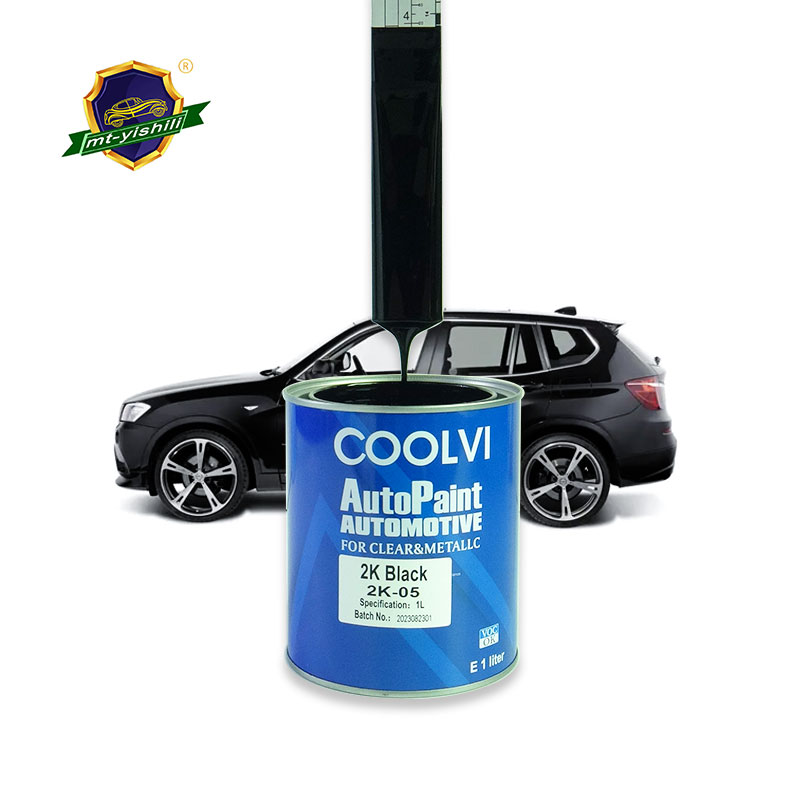
Achieving a factory-grade, long-lasting automotive finish requires balancing material cost, application complexity, and long-term durability. Automotive painters often face a stark choice between immediate convenience and ultimate resilience. Single-component (1K) paints offer a highly simplified application process. They allow users to spray straight from an aerosol can or gun without mixing. However, they frequently fail under harsh UV exposure and continuous chemical wear over time. The finish dulls, scratches easily, and degrades rapidly.
This is where 2k Acrylic car paint steps in. It introduces a specialized chemical curing process designed explicitly for high-stress environmental conditions. It transforms a liquid coating into an incredibly durable, permanent polymer shield. This technology has revolutionized modern automotive restoration and collision repair.
Our article breaks down the exact chemical mechanics driving these two-pack systems. We evaluate their performance against traditional alternatives to help you make informed decisions. We outline the strict implementation realities, including vital equipment requirements and safety compliance measures. Ultimately, you will determine if this premium paint technology aligns seamlessly with your project scale and facility capabilities.
Key Takeaways
- 2K (two-pack) acrylic paint requires mixing a base color or clear resin with a specific hardener/activator to initiate a chemical cross-linking cure.
- It provides superior chemical resistance, UV protection, and scratch resistance compared to 1K solvent-evaporation paints.
- Implementation carries strict time constraints ("pot life") once mixed, requiring precise project staging.
- Application mandates professional-grade respiratory protection (PPE) and ventilation due to the presence of toxic isocyanates in the hardener.
The Chemistry and Mechanics of 2K Acrylic Paint
Understanding the "two-pack" mechanism reveals why this system performs so exceptionally well. You must mix two distinct components prior to application. Part A acts as the acrylic polymer resin base. It holds the pigment or the clear gloss components. Part B serves as the polyisocyanate hardener or activator. These two parts remain inert while separated in their respective cans. Once mixed, they trigger a profound structural transformation.
Unlike traditional single-component paints drying through simple solvent evaporation, this system relies on chemical cross-linking. 1K paints simply lose their solvents to the air. They leave behind a dry layer of solids on the surface. By contrast, a 2K system undergoes a permanent chemical reaction. The molecules bond together tightly. They create a dense, interwoven polymer network. This network anchors itself securely to the primed substrate.
Ambient temperature heavily influences this complex chemical reaction. Your choice of activator speed dictates the curing timeline and overall flow-out behavior. Manufacturers design specific catalysts to match varying environmental conditions.
- Fast activators: Use these for localized spot repairs or when working in very cool environments. They speed up the cross-linking process significantly.
- Medium activators: Choose this standard option for painting single panels at average room temperatures. It provides a balanced drying window.
- Slow activators: Apply these during full-vehicle resprays or hot summer days. They keep the paint wet longer, ensuring proper leveling and a mirror-like finish.
Once fully cured, the chemical reaction becomes entirely irreversible. You cannot re-liquify the finished surface using standard thinners or reducers. If you wipe a cured panel using harsh chemical solvents, the finish remains intact. This permanent bond guarantees exceptional long-term stability against environmental hazards.
Evaluating Performance: 2K Acrylic vs. Alternative Systems
Choosing the right automotive finish requires establishing clear success criteria. You must evaluate project goals, including longevity, gloss retention, and application difficulty. We systematically compare 2k Acrylic car paint against other common market options to highlight its practical advantages.
First, consider the battle against standard 1K rattle cans and similar single-component systems. Single-component products remain highly susceptible to chemical damage. A minor fuel spill during a gas station visit can easily strip or stain a 1K finish. Conversely, a 2K system vigorously resists fuel spills, acidic bird droppings, and severe UV fading. It maintains absolute structural integrity.
Build and coverage also differ dramatically. Two-pack systems offer a significantly higher solid content. You need far fewer coats to achieve a deep, luxurious finish. 1K paints often require excessive layering, which increases the risk of solvent entrapment and future flaking.
Next, we evaluate acrylics against urethane and enamel systems. Urethanes sometimes offer slight flexibility advantages. Painters occasionally prefer them for highly flexible plastic bumpers. However, acrylics provide a noticeably harder, glass-like finish. This characteristic makes them ideally suited for rigid metal panels and classic restorations. Furthermore, acrylic resins dominate modern clear-over-base (COB) systems. They offer incredibly precise metallic and pearl flake suspension, ensuring an even, factory-matched color distribution.
Performance Comparison Chart: Automotive Paint Systems | System Type | Curing Method | Chemical Resistance | Durability & Gloss Retention | Best Application Scenario |
| 1K Rattle Cans (Enamel/Lacquer) | Solvent Evaporation | Poor (Vulnerable to fuel) | Low to Moderate | Temporary fixes, hidden interior panels. |
| 2K Acrylic Paint | Chemical Cross-Linking | Excellent | High (Hard, glass-like finish) | Rigid metal panels, full restorations. |
| 2K Urethane Paint | Chemical Cross-Linking | Excellent | High (Slightly more flexible) | Modern collision repair, plastic bumpers. |
![Implementation Realities for 2K Paint Application]()
Implementation Realities and Application Risks
Proper application requires absolute precision from the operator. Improper mixing ratios represent the most common point of failure. Mixing at 2:1, 3:1, or 4:1 demands exact volumetric measurements. You must never estimate these amounts visually. Too much hardener causes severe surface brittleness, leading to eventual cracking. Too little hardener prevents complete curing entirely. The surface will remain permanently tacky. Always measure carefully using calibrated mixing cups and thorough stirring sticks.
You must also manage the strict "pot life" meticulously. Once you introduce the activator to the base, a ticking clock begins. You have a highly limited time window. This window usually lasts between two to four hours before the mixed liquid hardens irreversibly. It will solidify directly inside your gun if left unattended. You must stage your project perfectly. Prepare, mask, and wipe down all panels before mixing a single drop of material.
Proper equipment remains non-negotiable for success. High-solid materials require properly regulated HVLP (High Volume Low Pressure) spray guns. You need precise fluid tip sizes to atomize the thick liquid efficiently. Typically, clear coats require a 1.3mm or 1.4mm tip. Additionally, you must install high-quality moisture and oil traps in your compressed air lines. Contaminated air ruins flawless finishes instantly, causing microscopic craters known as fish-eyes.
Application errors lead directly to severe surface defects. We can connect common mistakes to specific negative outcomes:
- Orange peel: This excessive surface texture often results from using an incorrect reducer. It also happens when you apply thick coats at improper ambient temperatures.
- Solvent pop: Tiny pinholes appear in the final gloss layer. This defect occurs when you allow inadequate flash times between coats. The trapped solvents force their way out through the drying upper layer.
- Runs and sags: Applying the material too heavily or moving the gun too slowly causes gravity to pull the wet material downward.
Safety and Environmental Compliance
Working with two-pack systems introduces serious health considerations. You must understand the transparent, evidence-based risks associated with isocyanate exposure. The hardeners contain polyisocyanates. When aerosolized through a spray gun, they present severe respiratory hazards. These toxic compounds can cause permanent lung sensitization. Exposure often leads to chronic, asthma-like symptoms. We must treat personal safety as the absolute highest priority during application.
Strict personal protective equipment (PPE) mandates apply globally. You must ideally use a supplied-air respirator system. This positive-pressure equipment feeds clean air directly to your hood from an external source. At the bare minimum, use a high-grade organic vapor mask. The mask must be rated specifically for isocyanates. Furthermore, you must only rely on standard vapor masks in highly ventilated, professional environments. You also need heavy-duty nitrile gloves and a full-body, lint-free paint suit. Skin absorption poses a genuine threat, as chemicals can enter the bloodstream directly through exposed pores.
Facility setup requires equal attention and investment. You cannot safely spray these materials in an open driveway or a closed basement. You need a proper spray booth. The booth must feature robust exhaust filtration systems. This setup manages hazardous overspray safely, protecting neighboring properties. It also ensures compliance with local environmental regulations regarding Volatile Organic Compounds (VOCs). Proper cross-draft or down-draft airflow pushes toxic fumes away from the painter immediately.
Decision Framework: Shortlisting 2K Acrylic for Your Project
Before purchasing specialized materials, evaluate your current facility capabilities honestly. You must rule out two-pack systems entirely if working in an attached residential garage. Lacking commercial-grade ventilation and specialized PPE makes the process inherently dangerous to you and your family. If your environment lacks negative air pressure and proper exhaust filtration, downgrade your material choices accordingly.
Consider your project scale and desired longevity. We heavily recommend 2K systems for comprehensive vehicle restorations. Professional collision repair centers rely on this technology daily. High-wear external components demand this level of extreme protection. You should only downgrade to 1K products for temporary aesthetic fixes. Interior trim parts protected from direct UV rays and harsh chemicals can also utilize 1K finishes safely.
Budgeting requires calculating the complete system cost thoroughly. Do not look solely at the base resin price per gallon. A proper finish requires multiple integrated components. You must factor in the specific proprietary activator. You need compatible reducers formulated for your exact climate. Add the cost of mandatory safety equipment, mixing cups, strainers, and prep wipes. Calculating the whole package prevents unexpected project delays.
As a crucial next step, secure the technical data sheets (TDS) directly from the manufacturer. These documents provide the definitive rulebook for application. They confirm exact mixing ratios. They detail the required flash times between coats. They also outline compatible epoxy or urethane undercoats. Read these sheets thoroughly before you begin any surface sanding or preparation work.
Conclusion
In our final assessment, 2k Acrylic car paint remains the definitive industry standard. It delivers durable, high-gloss automotive finishes reliably and consistently. The robust chemical cross-linking properties provide unmatched longevity. It resists scratching, fuel spills, and intense solar radiation far better than any single-component alternative on the market.
Your ultimate success depends entirely on rigorous operational discipline. Strict adherence to manufacturer mixing ratios guarantees proper molecular curing. You must implement strong environmental controls to manage temperature and humidity. Non-negotiable safety practices protect your respiratory health and ensure professional, defect-free results.
We highly encourage you to consult specific manufacturer technical data sheets before purchasing. Engage directly with a qualified technical supplier. They will help you build a complete, chemically compatible system tailored specifically to your restoration goals and facility constraints.
FAQ
Q: Can you spray 2K clear coat over a 1K base coat?
A: Yes, this is standard practice in many modern base/clear systems. You must ensure the 1K base has fully flashed off and outgassed completely. Allowing proper drying prevents dangerous solvent entrapment underneath the cured top layer, which would otherwise cause severe solvent pop.
Q: How long does 2K acrylic paint take to fully cure?
A: While the surface may become dust-free in 30 to 60 minutes, complete curing takes much longer. You can usually handle panels safely within 24 hours. However, a full chemical cure can take anywhere from 7 to 30 days depending on ambient temperature and humidity.
Q: What happens if I use the paint after the pot life expires?
A: The paint will begin to gel and thicken rapidly. This chemical shift causes poor atomization as it leaves your spray gun. You will experience severe orange peel on your panels. Furthermore, spraying expired material can cause permanent damage to your spray gun internals.
Q: Do I have to use a primer with 2K acrylic paint?
A: Yes. 2K acrylic topcoats require a properly prepped surface to ensure strong mechanical adhesion. Typically, painters use a high-quality 2K epoxy or urethane primer. This foundational layer prevents adverse chemical reactions with bare metal or incompatible old substrates.