- All
- Product Name
- Product Keyword
- Product Model
- Product Summary
- Product Description
- Multi Field Search

Views: 0 Author: Site Editor Publish Time: 2026-07-09 Origin: Site

Choosing the wrong automotive paint chemistry leads to premature peeling and severe UV degradation. It can also introduce significant safety hazards during application. These high stakes make material selection the most critical step in any vehicle restoration. Buyers often confuse traditional enamels with modern 2-part systems. This frequent confusion leads to severely mismatched expectations. You might easily misjudge finish durability, application difficulty, and the true demands of your project. We designed this comprehensive guide to provide a clear, evidence-based comparison. You will evaluate synthetic enamel, urethane, and modern acrylic systems side-by-side. Our main objective is to help you choose the right materials. You can then confidently match your choice to your local shop capabilities, available equipment, and desired finish lifespan.
Automotive refinishing relies heavily on accurate chemistry. You must understand the foundational differences between paint types before spraying. Choosing the wrong material guarantees a compromised finish. We need to define exactly how each system works on a molecular level.
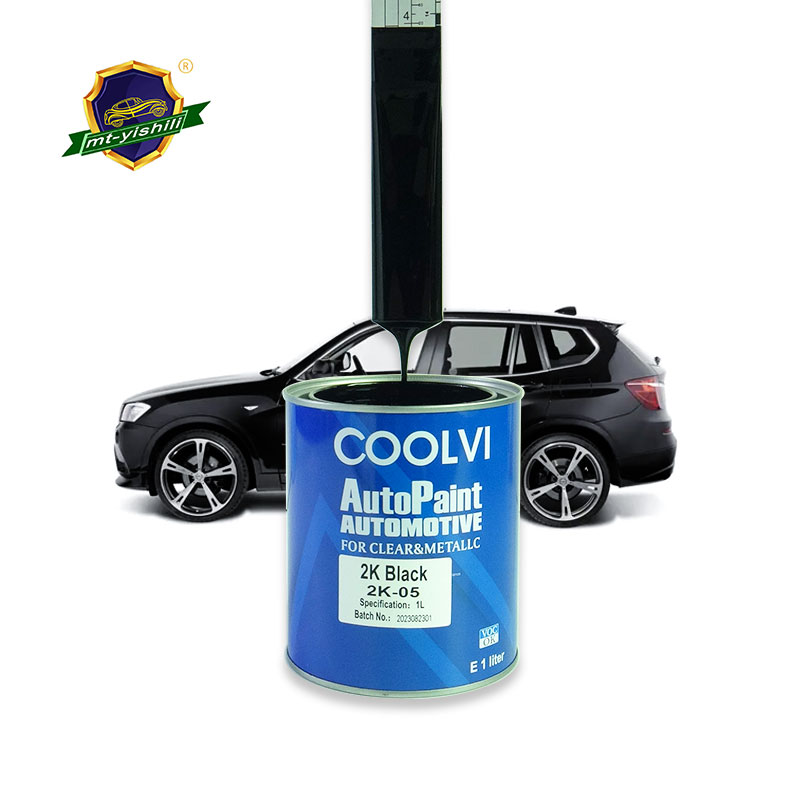
This represents a modern two-component system. You must mix a base color and a dedicated hardener together. They rely on a chemical cross-linking process to cure completely. The activator forces the molecules to lock tightly. This creates an incredibly dense surface structure. 2k Acrylic car paint dries remarkably fast in most environments. It sands easily during the correction phase. It consistently provides a very hard, high-gloss finish. Professionals often choose it for custom show cars. The resulting surface reflects light brilliantly.
Enamel remains traditionally a 1K (one-part) system. It cures via exposure to ambient air. Chemists call this slow process oxidation. You can add optional hardeners to accelerate this reaction. However, the base formula remains older technology. It features significantly slower flash times between coats. The final finish feels physically softer to the touch. It remains highly prone to chalking over time. It will fade heavily under direct UV exposure. Antique restorers still value it for period-correct visual authenticity.
Manufacturers design urethane as a highly resilient polymer-based 2K system. You will often see it categorized as acrylic urethane or polyurethane. It relies on advanced resin technology. This paint stays highly flexible long after curing. It acts exceptionally resistant to rock chips and harsh chemicals. It blocks UV rays efficiently. It represents the current standard for OEM manufacturing. High-end aftermarket body shops use it almost exclusively. It handles the abuse of daily driving perfectly.
We must evaluate how these materials perform under real-world abuse. Lab tests reveal distinct differences in longevity. You need a finish capable of surviving environmental hazards.
| Paint System | Flexibility | Durability | Finish Quality |
|---|---|---|---|
| Enamel | Low (Becomes brittle over time) | Moderate (Oxidizes in 5-7 years) | Good (Classic soft gloss) |
| 2K Acrylic | Moderate (Very hard, dense surface) | High (Consistently lasts 10+ years) | Excellent (Deep show-car gloss) |
| Urethane | High (Impact-absorbing polymers) | Highest (Current OEM standard) | Excellent (Superior clarity) |
Older enamels cure to a brittle hardness over several years. This rigid nature makes them vulnerable to direct impacts. Urethane provides superior impact-absorbing flexibility. It literally bounces back from minor road debris. Acrylic systems sit right in the middle regarding flexibility. They cure exceptionally hard. They are highly scratch-resistant during regular washing. They work perfectly for intense show-car gloss. However, they remain slightly more prone to chipping under extreme gravel impacts than urethane.
Sunlight aggressively destroys weak paint resins. Enamels typically oxidize fast without diligent maintenance. They lose their original luster within five to seven years. This happens frequently if you park your vehicle outdoors. Modern two-part systems perform much better against the elements. Acrylic and Urethane systems chemically resist degradation. They repel acidic bird droppings effectively. They withstand acid rain effortlessly. They block harsh UV rays completely. These modern finishes routinely last ten or more years without significant fading.
Visual depth matters deeply in automotive finishing. Urethane and modern acrylic systems dominate current collision repair. They excel in two-stage basecoat and clearcoat applications. They offer superior clear coat transparency. This optical clarity ensures perfect color matching for metallic flakes. It prevents the cloudy yellowing often seen in aging single-stage paints. You achieve a true mirror-like reflection. The base color shines through the clear topcoat perfectly.
Your shop environment dictates your material choices heavily. We must address safety protocols and curing conditions honestly. Ignoring these factors leads to serious health issues. It also ruins expensive paint jobs.
Safety stands as a crucial factor for painters. All two-part systems contain extremely hazardous isocyanates. These chemicals cause severe respiratory damage upon inhalation. You cannot rely on standard carbon-filter masks. They are completely insufficient for blocking these specific toxins. Positive-pressure supplied air is the strict industry safety standard. You must protect your lungs entirely. You must also wear a full paint suit. Isocyanates can absorb directly through exposed skin.
Urethane offers a highly forgiving nature during application. You can tailor it easily using different speed reducers. This adapts the wet paint to your local temperature perfectly. Un-activated enamels face a painfully slow curing phase. They turn your freshly painted panel into a giant dust-magnet. You need an immaculate, climate-controlled spray booth to shoot them successfully. A sudden drop in temperature can halt enamel curing completely. Modern 2-part systems cross-link rapidly regardless of minor humidity shifts.
Detailers strongly prefer working on modern two-part systems. These advanced paints wet-sand predictably. They compound cleanly to a flawless mirror shine. Fresh enamel presents a massive risk during paint correction. You might easily cause severe "wrinkling" when buffing it. The friction heat lifts the uncured layers underneath. You often have to wait several months before polishing an enamel job safely. Acrylic and urethane can usually be sanded within twenty-four hours.
Budget planning requires looking past the initial purchase price. The cheapest can of paint often costs you the most. We must examine long-term material expenses carefully.
You will see a clear price hierarchy at the supply store. Enamel demands the lowest initial financial investment. Acrylic sits comfortably in the moderate middle tier. Urethane commands the highest upfront price tag. This pricing reflects the complexity of the chemical engineering involved.
The colored paint itself represents only one expense. You must factor in specific chemical activators. You need appropriate temperature-grade reducers for your climate. You also must purchase upgraded personal protective equipment. These extra requirements for modern cross-linking systems add up quickly. A budget enamel project rarely requires a separate $100 activator. You must calculate these supplementary liquids into your initial budget.
We must calculate the true long-term value of the job. A cheap enamel job might fail surprisingly quickly. If it requires a complete respray in four years, it becomes expensive. You waste massive amounts of labor sanding it all down again. A premium urethane system demands a higher initial cost. However, it often lasts the entire life of the vehicle. This impressive longevity makes the premium choice much cheaper eventually. You only pay for the labor and masking materials once.
Every vehicle restoration demands a specific approach. You must align your material choice with your actual goals. We organized these scenarios to simplify your final decision.
Reviewing our core findings reveals a clear path forward. Enamel certainly retains historical relevance for niche antique restorations. It offers undeniable initial cost advantages for industrial equipment. However, modern 2-part systems remain objectively superior for standard automotive applications. They deliver unmatched longevity, impact resistance, and final finish quality. Urethane dominates the premium market for good reason. Acrylic offers an excellent balance of hardness and value.
You should take actionable steps before purchasing any materials. Assess your physical spray environment carefully. Verify your ventilation capabilities and PPE equipment. Consult a professional paint distributor regarding your local climate. Ask them to match your specific clear coat and reducer to your expected temperature and humidity. Proper planning guarantees a flawless, long-lasting finish.
A: You risk severe chemical lifting and wrinkling. Solvents in the clear coat aggressively attack the weaker enamel underneath. You must ensure the base is fully cured for several weeks. You should also apply a dedicated chemical barrier coat before attempting this risky combination.
A: You do not strictly need one. Traditional 1K enamel cures slowly through ambient air oxidation. However, adding a hardener converts it into an activated system. This dramatically accelerates your cure time. It also significantly improves long-term gloss retention and overall surface durability.
A: They share chemical overlap but remain distinctly different. Manufacturers use varying marketing terminology. Acrylic urethane incorporates flexible polyurethane resins for maximum impact and UV protection. Standard modern acrylic focuses primarily on extreme surface hardness, high gloss, and rapid drying times.
ABOUT US